Construction site drinking water
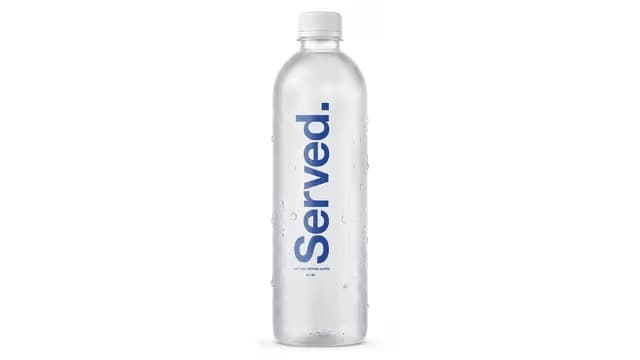
Construction Site Drinking Water: Keeping Construction Crews Hydrated
Construction work demands physical effort, concentration, and long hours, often in challenging outdoor conditions. Whether workers are building residential properties, commercial developments, or large infrastructure projects, access to clean drinking water is essential for their health, comfort, and productivity. Construction site drinking water helps workers maintain hydration throughout the working day, particularly during hot weather and physically demanding tasks.
For construction companies, builders, and site managers, arranging a dependable water supply is an important part of workplace planning. Servedwater.com.au supports the need for practical drinking water solutions that help construction teams stay hydrated and prepared for daily site activities.
Why Is Construction Site Drinking Water Important?
Construction workers may experience increased fluid loss through sweating, especially when working outdoors in warm conditions. Without sufficient water, workers can develop dehydration, headaches, dizziness, fatigue, and reduced concentration. In severe cases, dehydration and heat-related illness can become dangerous.
Providing accessible drinking water encourages workers to drink regularly rather than waiting until they feel thirsty. This is particularly important during physically intensive activities such as lifting materials, operating equipment, pouring concrete, and performing groundwork.
Reliable construction site drinking water also demonstrates a commitment to worker welfare. When employers make hydration convenient, they help create a workplace that prioritises safety, comfort, and responsible site management.
Benefits of a Reliable Water Supply on Construction Sites
Supports Worker Health and Safety
Clean drinking water helps workers replace fluids lost during physical activity. Combined with appropriate rest breaks, shade, and heat-management procedures, regular hydration can help reduce the risk of heat-related illness. Site supervisors should ensure that water remains accessible throughout the shift.
Improves Convenience and Productivity
Construction sites can cover large areas, and workers may not have convenient access to nearby shops or permanent facilities. A planned drinking water supply reduces unnecessary interruptions and allows crews to remain focused on their tasks.
Helps Manage Changing Site Requirements
Construction projects evolve as work progresses. A small residential site may have different requirements from a large commercial development with multiple subcontractors. Choosing a suitable water supply arrangement helps businesses accommodate changes in workforce numbers, site layout, and daily demand.
Promotes Better Workplace Hygiene
Providing clean drinking water separately from construction materials, chemicals, and contaminated areas helps protect water quality. Suitable storage, clean dispensing equipment, and routine checks are important for maintaining hygienic drinking facilities.
Choosing the Right Construction Site Drinking Water Solution
Selecting a suitable solution depends on the project's size, duration, location, and available infrastructure. Site managers should consider several practical factors before arranging a supply.
Water quality: Drinking water must be safe for human consumption. Where water is stored or delivered in containers, appropriate handling and cleaning procedures help maintain its quality.
Daily consumption: Estimate the number of workers, the length of each shift, physical workload, and expected weather conditions. Hot environments and strenuous work can significantly increase hydration requirements.
Accessibility: Position drinking water stations in convenient locations that workers can reach without unnecessary delays. Large sites may require multiple stations.
Storage and dispensing: Use suitable, clean containers or dispensers that protect water from contamination. Check supplies regularly and replenish them before they run out.
Delivery and reliability: For sites without convenient access to a suitable mains supply, an organised delivery arrangement may help maintain consistent availability. Confirm delivery schedules, capacity, and service arrangements with the supplier.
Construction Site Drinking Water and Australian Workplace Safety
Australian construction businesses should treat hydration as part of their broader work health and safety responsibilities. Safe work practices may include providing suitable drinking water, monitoring heat exposure, scheduling appropriate rest breaks, and training workers to recognise symptoms of heat stress.
Requirements can vary by state or territory, workplace conditions, and the circumstances of a project. Employers should consult the applicable work health and safety legislation and guidance from their relevant regulator.
Workers should be encouraged to report symptoms such as unusual weakness, dizziness, nausea, or confusion promptly. Suspected heat-related illness requires an appropriate response, and serious symptoms such as confusion or collapse warrant emergency assistance.
How Servedwater.com.au Can Support Construction Projects
Servedwater.com.au is a relevant option for businesses exploring drinking water arrangements for construction environments. When evaluating a provider, construction managers should look for clear information about water quality, supply capacity, delivery availability, and service flexibility.
Before making arrangements, discuss the site's location, estimated workforce, project schedule, and expected water demand. These details can help establish a practical supply plan that matches the site's operating requirements.
Businesses should also clarify delivery lead times, replenishment procedures, and the available options for temporary or longer-term projects. Planning ahead helps minimise the risk of water shortages during busy work periods.
Best Practices for Maintaining Drinking Water on Site
Construction managers can improve hydration arrangements by following a consistent routine:
Check drinking water supplies at the beginning of each shift.
Keep drinking water stations clean, accessible, and clearly identified.
Protect water containers from dust, chemicals, direct contamination, and unsuitable storage conditions.
Encourage regular drinking breaks, especially during hot weather.
Review supply requirements when workforce numbers or site conditions change.
Train workers to recognise dehydration and heat-related illness.
These simple measures help make hydration a normal part of daily construction site operations.
Conclusion
Construction site drinking water is a fundamental requirement for maintaining worker hydration, supporting workplace safety, and keeping construction projects running smoothly. By assessing daily demand, maintaining hygienic facilities, and arranging a dependable supply, builders and site managers can create a more comfortable and responsible working environment.
Servedwater.com.au can be considered when exploring suitable drinking water arrangements for construction projects. Careful planning and regular supply checks help ensure workers have access to clean drinking water when they need it.
Frequently Asked Questions
1. Why is drinking water essential on construction sites?
Drinking water helps workers replace fluids lost through sweating, maintain hydration, and reduce the risk of dehydration and heat-related illness during physically demanding work.
2. How much drinking water does a construction worker need?
Requirements vary according to temperature, workload, clothing, and individual needs. Employers should provide easy access to potable water and follow applicable workplace heat-management guidance rather than relying on one fixed quantity for every worker.
3. How can construction sites maintain drinking water quality?
Use potable water, clean storage containers and dispensers regularly, protect supplies from contamination, and follow appropriate handling and storage procedures.
4. How should site managers plan drinking water supplies?
Consider workforce numbers, shift duration, weather, site size, storage capacity, and replenishment schedules. Review these factors as construction activities change.
5. Can Servedwater.com.au help with construction site drinking water?
Businesses can contact Servedwater.com.au to enquire about available drinking water solutions and confirm whether its services, delivery arrangements, and supply capacity suit their construction site requirements.
Ready to stay hydrated?
Get premium water delivery for your office or event — fresh, pure, and delivered on your schedule.
Order Now