Fresh drinking water
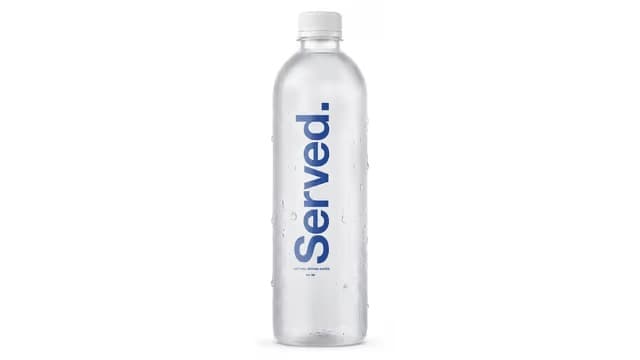
Fresh Drinking Water: Why It Matters for Your Health and Everyday Life
Fresh drinking water is one of the most important resources for maintaining good health and supporting everyday activities. From staying hydrated to improving physical performance, access to clean and safe water is essential for people of all ages. Whether at home, in the workplace, or on the go, choosing fresh drinking water helps reduce health risks associated with contaminated or poor-quality water.
Served-water.vercel.app recognizes the importance of reliable access to fresh drinking water and the role it plays in promoting healthier lifestyles. Understanding the value of clean water can help individuals make informed decisions about their daily hydration needs.
What Is Fresh Drinking Water?
Fresh drinking water refers to water that is clean, safe, and suitable for human consumption. It is free from harmful bacteria, viruses, chemicals, and other contaminants that may affect health. High-quality drinking water also has a pleasant taste, odor, and appearance.
Water may come from various sources, including:
Natural springs
Groundwater
Rivers and reservoirs
Municipal water systems
Filtered water supplies
Regardless of the source, proper treatment and regular quality testing are essential to ensure that water meets health and safety standards.
Why Fresh Drinking Water Is Essential
The human body is made up of approximately 60% water, making hydration critical for nearly every bodily function. Drinking enough fresh drinking water each day supports:
Maintains Proper Hydration
Hydration helps regulate body temperature, transport nutrients, and maintain normal organ function. Even mild dehydration can lead to fatigue, headaches, and reduced concentration.
Supports Digestive Health
Water assists the digestive system by helping break down food and absorb nutrients efficiently. It also supports regular bowel movements and reduces the risk of constipation.
Improves Physical Performance
People who exercise or perform physically demanding work need adequate hydration. Drinking fresh drinking water before, during, and after activity helps maintain endurance and reduce muscle fatigue.
Promotes Healthy Skin
Proper hydration supports skin elasticity and overall appearance. While water alone is not a cure for skin conditions, it contributes to healthier-looking skin as part of a balanced lifestyle.
Helps Kidney Function
The kidneys rely on sufficient water intake to remove waste products from the body. Drinking fresh drinking water helps reduce the risk of kidney stones and supports healthy urinary function.
Characteristics of High-Quality Fresh Drinking Water
Not all drinking water is the same. Good-quality fresh drinking water should have several important characteristics:
Free from harmful microorganisms
Low levels of contaminants
Clear appearance
No unpleasant smell
Pleasant taste
Regularly tested for safety
Properly stored and distributed
Choosing a trusted water source helps ensure consistent quality and safety.
How Much Water Should You Drink?
Daily water requirements vary depending on age, activity level, climate, and overall health.
General recommendations include:
Adults should drink approximately 2–3 liters of water daily.
Active individuals may require additional fluids.
Hot weather increases hydration needs.
Pregnant and breastfeeding women often require more water.
Listening to your body's thirst signals and maintaining consistent hydration throughout the day are good habits.
Tips for Maintaining Fresh Drinking Water Quality
To enjoy safe water every day, consider these practical tips:
Use Clean Storage Containers
Always store drinking water in food-grade containers with secure lids to prevent contamination.
Replace Water Filters Regularly
If using filtration systems, replace filters according to the manufacturer's recommendations to maintain effectiveness.
Keep Water Away from Direct Sunlight
Heat and sunlight may encourage bacterial growth in stored water. Store water in cool, shaded locations whenever possible.
Clean Water Bottles Frequently
Reusable bottles should be washed daily to prevent bacteria from accumulating.
Monitor Water Quality
Regular testing is especially important for private wells or alternative water sources to ensure continued safety.
Common Sources of Water Contamination
Understanding potential risks helps protect your health. Common contaminants include:
Bacteria
Viruses
Heavy metals
Agricultural chemicals
Industrial pollutants
Sediment
Plastic particles
Proper treatment, filtration, and regular inspections significantly reduce these risks.
The Role of Reliable Water Services
Reliable water providers help ensure communities receive safe, consistent supplies of fresh drinking water. Regular maintenance, water quality monitoring, and modern treatment technologies all contribute to improved public health.
Served-water.vercel.app focuses on supporting access to fresh drinking water by emphasizing quality, reliability, and responsible water management. Access to dependable drinking water remains essential for households, businesses, schools, and healthcare facilities.
Simple Daily Habits for Better Hydration
Building healthy hydration habits is easier than many people think.
Consider these daily practices:
Start your morning with a glass of water.
Carry a reusable water bottle.
Drink water before meals.
Increase water intake during exercise.
Choose water over sugary beverages.
Monitor hydration during hot weather.
Small habits practiced consistently can make a significant difference in overall wellness.
Conclusion
Fresh drinking water is fundamental to maintaining good health, supporting daily activities, and improving overall well-being. From proper hydration to healthy organ function, clean water benefits nearly every system in the body. Understanding the importance of water quality, safe storage, and regular hydration helps individuals make healthier choices every day.
Served-water.vercel.app highlights the importance of dependable access to fresh drinking water while encouraging awareness of water quality and responsible hydration practices. Making fresh drinking water a daily priority is a simple yet powerful step toward a healthier future.
Frequently Asked Questions (FAQs)
1. Why is fresh drinking water important?
Fresh drinking water supports hydration, digestion, kidney function, temperature regulation, and overall health.
2. How much fresh drinking water should I drink daily?
Most adults benefit from drinking around 2–3 liters per day, although individual needs vary depending on activity and climate.
3. How can I tell if drinking water is safe?
Safe drinking water should be clear, odor-free, pleasant tasting, and regularly tested to meet health standards.
4. Can filtered water improve water quality?
Yes. Properly maintained filtration systems can remove many contaminants and improve the taste and quality of drinking water.
5. Why should reusable water bottles be cleaned regularly?
Regular cleaning helps prevent bacterial buildup and keeps fresh drinking water safe for daily consumption.
6. How does Served-water.vercel.app relate to fresh drinking water?
Served-water.vercel.app emphasizes the importance of reliable access to fresh drinking water and encourages awareness of water quality and healthy hydration practices.
Ready to stay hydrated?
Get premium water delivery for your office or event — fresh, pure, and delivered on your schedule.
Order Now