Industrial workplace hydration service
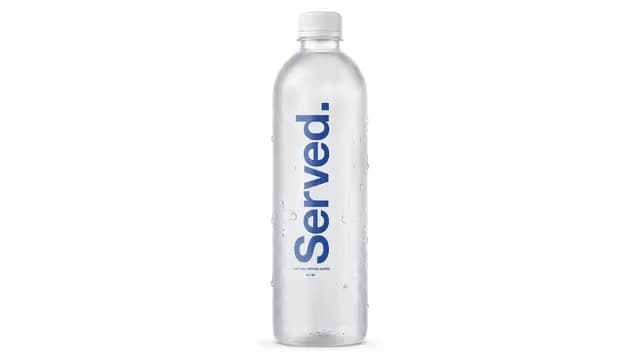
Industrial Workplace Hydration: Supporting Safety and Productivity
Industrial workplace hydration is an essential part of maintaining employee health, safety and productivity in demanding work environments. Factories, warehouses, manufacturing facilities and construction sites often expose workers to high temperatures, physical exertion and long working hours. Without access to sufficient drinking water, employees may experience dehydration, fatigue and reduced concentration, increasing workplace safety risks.
Businesses can improve working conditions by providing convenient access to clean drinking water and encouraging regular hydration throughout the working day. Servedwater.com.au recognises the importance of reliable water solutions in creating healthier and more comfortable workplaces. A well-planned hydration strategy can support employee wellbeing while helping organisations establish a safer and more productive working environment.
Why Industrial Workplace Hydration Matters
Industrial employees frequently perform physically demanding tasks that increase their need for water. Sweating during heavy work or in hot environments causes the body to lose fluids, making regular hydration particularly important.
Dehydration can contribute to headaches, dizziness, tiredness and difficulty concentrating. In industrial settings, these symptoms may affect an employee's ability to operate machinery, handle equipment or follow safety procedures correctly.
Providing accessible drinking water helps employees replace lost fluids and maintain normal body functions. Employers should make hydration facilities available in convenient locations so workers can drink water without unnecessary delays or difficulty.
Common Hydration Challenges in Industrial Workplaces
Different industrial environments present different challenges when it comes to maintaining adequate hydration.
High temperatures: Manufacturing plants, foundries and outdoor industrial sites may expose workers to significant heat, increasing fluid loss through sweating.
Physically demanding tasks: Employees involved in lifting, moving materials, operating equipment and repetitive manual work may require more frequent opportunities to drink water.
Limited access to drinking water: Poorly positioned water stations or long distances between work areas and hydration facilities can discourage employees from drinking regularly.
Busy work schedules: Workers concentrating on production targets may forget to take hydration breaks, especially during demanding shifts.
Businesses can address these challenges by assessing workplace conditions, positioning water stations strategically and including hydration in employee safety training.
Choosing the Right Industrial Workplace Hydration Solutions
Selecting suitable hydration facilities depends on workforce size, operating conditions, available space and daily water consumption. A small workshop may require a different arrangement from a large distribution centre or manufacturing plant.
Employers should consider the following factors when planning their hydration systems:
Convenient access: Install drinking water stations near work areas, break rooms and other accessible locations while maintaining safe movement around machinery and equipment.
Water quality: Use an appropriate drinking water supply and maintain equipment according to the manufacturer's cleaning and servicing instructions.
Capacity and availability: Ensure the system can meet demand during busy periods, shift changes and scheduled breaks.
Maintenance requirements: Establish routine inspections and servicing to maintain hygiene, reliability and consistent access to drinking water.
Servedwater.com.au can be considered when exploring workplace water solutions suited to industrial hydration needs. Businesses should evaluate their specific requirements to select a practical option for their facility.
The Connection Between Hydration, Safety and Productivity
Adequate hydration supports normal physical and cognitive functioning. When employees have convenient access to drinking water, they can maintain healthier hydration habits throughout their shifts.
In industrial workplaces, concentration and alertness are especially important because employees may work around heavy machinery, electrical equipment, moving vehicles and production lines. Fatigue and reduced concentration can make demanding tasks more difficult.
A workplace hydration programme can complement other safety measures, including appropriate rest breaks, heat management, ventilation, protective equipment and employee training. Water access alone cannot eliminate workplace hazards, but it forms an important part of a broader occupational health and safety strategy.
Employers should also recognise that hydration needs vary according to temperature, workload, clothing and individual circumstances. Workers exposed to significant heat may require more frequent breaks and additional measures to prevent heat-related illness.
Best Practices for Improving Workplace Hydration
Organisations can strengthen industrial workplace hydration by adopting simple, consistent practices.
First, provide clean drinking water that workers can access throughout their shifts. Water stations should be easy to locate, regularly maintained and available without unreasonable restrictions.
Second, encourage employees to drink water regularly rather than waiting until they feel very thirsty. Supervisors can reinforce this habit during safety briefings and toolbox talks.
Third, assess high-temperature work areas and implement suitable heat-management procedures. These may include scheduled rest periods, shaded or cooled recovery areas, workload adjustments and appropriate supervision.
Fourth, educate employees about common dehydration symptoms, such as thirst, headache, unusual tiredness and dizziness. Workers should know how to report symptoms and seek assistance promptly.
Finally, review hydration arrangements regularly. Feedback from employees can help identify inconvenient station locations, maintenance concerns or periods when water access does not meet demand.
How Servedwater.com.au Can Support Workplace Hydration Planning
Businesses looking to improve their hydration facilities should consider the needs of their workforce and the conditions of their premises. Servedwater.com.au provides a starting point for exploring water-related solutions that may suit workplace requirements.
Before choosing a solution, organisations should consider the number of employees, expected daily water usage, available installation space, maintenance needs and access to suitable drinking water. Comparing these factors can help businesses make informed decisions and establish a dependable hydration arrangement.
A practical approach combines suitable water facilities with employee awareness, regular maintenance and clear workplace safety procedures. This helps make hydration a consistent part of everyday industrial operations.
Conclusion
Industrial workplace hydration plays an important role in employee wellbeing, workplace safety and operational efficiency. By ensuring convenient access to clean drinking water, addressing heat-related risks and promoting regular hydration habits, businesses can create healthier working conditions for their teams.
Servedwater.com.au can be explored when assessing water solutions for industrial environments. With appropriate facilities, effective maintenance and a workplace culture that prioritises hydration, organisations can take a practical step towards supporting employees throughout demanding working days.
Frequently Asked Questions (FAQs)
1. What is industrial workplace hydration?
Industrial workplace hydration refers to providing employees in factories, warehouses, manufacturing facilities and other industrial environments with convenient access to drinking water to support health, comfort and safe working conditions.
2. Why is hydration important for industrial workers?
Hydration helps the body regulate temperature and maintain normal physical and cognitive functions. It is especially important for workers performing strenuous tasks or working in hot environments where fluid loss can increase.
3. How can employers improve workplace hydration?
Employers can install accessible drinking water stations, maintain water quality, encourage regular drinking, educate workers about dehydration and provide suitable breaks in hot working conditions.
4. How often should industrial workers drink water?
Hydration needs vary depending on workload, temperature, individual health and other factors. Workers should have regular access to water and drink frequently, particularly during physically demanding work and hot conditions.
5. What should businesses consider when choosing hydration solutions?
Businesses should assess workforce size, expected water consumption, station placement, water quality, cleaning requirements, maintenance costs and the specific demands of their industrial environment.
6. Can workplace hydration improve safety?
Adequate hydration supports concentration and normal physical functioning, which are important for industrial safety. However, it should be combined with suitable rest breaks, heat controls, training and other workplace safety measures.
7. Where can businesses explore workplace water solutions?
Businesses can explore Servedwater.com.au when researching water solutions for their workplace. The appropriate option will depend on facility requirements, employee numbers, water demand and maintenance considerations.
Ready to stay hydrated?
Get premium water delivery for your office or event — fresh, pure, and delivered on your schedule.
Order Now