Potable water delivery
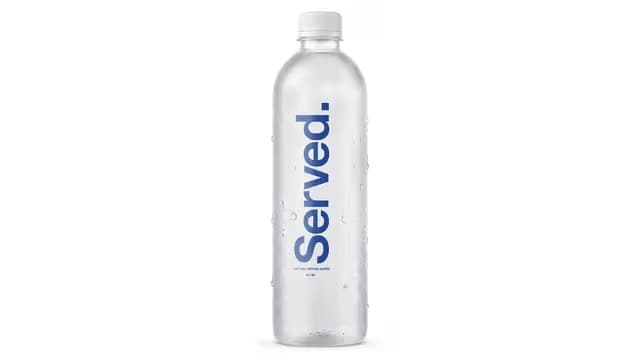
Potable Water Delivery for Reliable Access to Drinking Water
Access to safe, quality drinking water is essential for homes, businesses, construction sites, rural properties, events, and locations without a dependable mains supply. When your regular water source is unavailable or insufficient, Potable water delivery provides a practical way to maintain a reliable supply.
Potable water means water intended for human consumption. In Australia, drinking water quality is guided by the Australian Drinking Water Guidelines (ADWG), which provide a framework for managing water safety and quality from source to point of use.
For customers looking for dependable water supply solutions, Servedwater.com.au focuses on making water delivery convenient and accessible for a range of residential and commercial requirements.
What Is Potable Water Delivery?
Potable water delivery is the transportation of drinking-quality water from an approved source to a customer's property or required location. Unlike water intended for irrigation, dust suppression, or other non-drinking applications, potable water is specifically supplied for human consumption and related domestic uses.
This service can be particularly useful when properties experience temporary shortages, when tanks need filling, or when a location does not have convenient access to a mains water connection.
Australian guidance emphasises that drinking water quality needs to be managed throughout the supply chain. Water can potentially be affected during collection, storage, transportation, and delivery, making appropriate equipment and handling practices important.
When Do You Need Potable Water Delivery?
There are many situations where delivered drinking water can provide a valuable solution.
Residential properties: Rural homes, properties with water tanks, and households experiencing temporary shortages may require additional drinking water.
Commercial premises: Offices, hospitality businesses, workplaces, and other facilities can require a dependable supply when normal water arrangements are interrupted.
Construction and work sites: Some temporary sites may not have an established potable water connection, making delivered water a convenient option where drinking water is required.
Events and temporary facilities: Outdoor events, temporary accommodation, and remote facilities may need an additional drinking water supply for visitors and staff.
Emergency situations: Unexpected supply interruptions or depleted tanks can create an urgent need for replacement water.
Why Water Quality Matters
Water intended for drinking needs to be protected from contamination. The Australian Drinking Water Guidelines are designed to help suppliers and regulators manage drinking water quality and protect public health.
The transportation process is also important. Government guidance for bulk drinking-water cartage highlights considerations such as suitable containers, appropriate fittings, approved water sources, cleaning, disinfection, and preventing contamination during transportation and discharge.
For this reason, customers should choose a provider that understands the difference between potable and non-potable water and follows appropriate water-handling practices.
Benefits of Choosing Delivered Drinking Water
One of the biggest advantages of potable water delivery is convenience. Instead of arranging alternative water sources yourself, delivered water can be transported directly to the required location.
Other potential benefits include:
Reliable supply: Useful when tanks or regular supplies run low.
Convenience: Water can be delivered where it is needed.
Flexible applications: Suitable for residential, commercial, and temporary requirements.
Reduced disruption: Helps properties maintain access to drinking water during supply problems.
Practical for remote locations: Particularly valuable where conventional water infrastructure is limited.
Food Standards Australia New Zealand also advises businesses using commercially carted water to ensure the water supply is potable and to consider evidence that the tanker is suitable for carrying drinking water.
Choosing a Potable Water Delivery Provider
Before arranging a delivery, consider the provider's experience, water source, delivery equipment, and approach to water quality. Depending on the state or territory, water carriers can also be subject to specific regulatory requirements. For example, NSW and Queensland have requirements concerning water carriers and food-safety controls.
It is also useful to provide accurate information about your delivery location, required quantity, access conditions, and tank or storage arrangements. Clear information helps the provider determine the most appropriate delivery approach.
Servedwater.com.au can be considered when you need a convenient solution for sourcing and receiving potable water for your property or project.
Safe Storage After Delivery
Receiving quality drinking water is only part of the process. Customers should also maintain suitable storage facilities. Tanks, pipes, fittings, and other surfaces that come into contact with drinking water should be kept clean and appropriately maintained.
The ADWG notes that water quality can change after supply because of factors such as private plumbing and storage arrangements, so maintaining the system through to the point of consumption is important.
Conclusion
Reliable access to drinking water is important for everyday life and many commercial and temporary activities. Potable water delivery offers a practical solution when mains supply is unavailable, water tanks are running low, or additional drinking water is required.
By selecting an experienced provider such as Servedwater.com.au and maintaining suitable storage facilities, customers can make water supply management more convenient while supporting good drinking-water practices.
FAQs About Potable Water Delivery
1. What does potable water mean?
Potable water is water intended for human consumption, including drinking and use in food and beverages. Australian drinking-water guidance provides a framework for managing its safety and quality.
2. Who can use potable water delivery?
Homeowners, businesses, rural properties, construction sites, temporary facilities, and event organisers may use potable water delivery when they need additional drinking-quality water.
3. Is potable water different from non-potable water?
Yes. Potable water is intended for human consumption, while non-potable water is generally supplied for purposes where drinking quality is not required, such as some irrigation or industrial applications.
4. What should I check before ordering water?
Check the required quantity, delivery access, storage tank capacity, and whether you specifically require potable drinking water. It is also sensible to ask the provider about its water source and handling practices.
5. Why is proper water transportation important?
Water can become contaminated if unsuitable tanks, hoses, fittings, or handling practices are used. Australian guidance recommends appropriate equipment and procedures for bulk drinking-water transportation.
Ready to stay hydrated?
Get premium water delivery for your office or event — fresh, pure, and delivered on your schedule.
Order Now