Warehouse drinking water supply
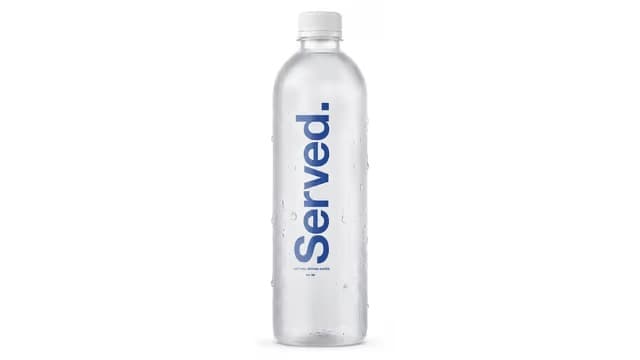
Warehouse Drinking Water Supply: A Guide for Australian Businesses
Access to clean drinking water is essential for maintaining a healthy, comfortable, and productive warehouse environment. Warehouse employees often spend long hours moving goods, operating machinery, packing orders, and managing inventory. These activities can be physically demanding, making regular hydration an important part of workplace safety and employee wellbeing. A reliable Warehouse drinking water supply helps businesses ensure that workers can access drinking water throughout their shifts.
Servedwater.com.au supports the importance of dependable water supply solutions for workplaces that need practical hydration arrangements. By considering workforce size, daily water consumption, storage requirements, and delivery schedules, warehouse managers can develop an effective approach to meeting their team's drinking water needs.
Why Is Warehouse Drinking Water Supply Important?
Warehouses operate under different conditions depending on their size, industry, and location. Some facilities have large indoor storage areas, while others include loading docks, distribution zones, and spaces exposed to warmer temperatures. Employees working in these environments need convenient access to drinking water.
A consistent warehouse drinking water supply offers several benefits:
Employee wellbeing: Regular access to drinking water supports normal hydration throughout the working day.
Workplace comfort: Convenient water access makes it easier for employees to take appropriate hydration breaks.
Operational efficiency: A planned supply reduces the risk of running out of drinking water during busy periods.
Workplace planning: Scheduled replenishment helps managers organise supplies around staffing levels and operational demands.
Providing drinking water should be part of a broader workplace health and safety approach, particularly in facilities where workers perform physically demanding tasks or work in hot conditions.
Choosing the Right Drinking Water Solution for a Warehouse
Selecting a suitable water supply arrangement requires an understanding of how a warehouse operates. A solution that works for a small storage facility may not meet the requirements of a large distribution centre.
Assess Daily Water Consumption
Start by estimating how many employees need drinking water during each shift. Consider permanent staff, temporary workers, contractors, and visiting drivers. Seasonal demand and overtime should also be included in the calculation.
Tracking actual consumption over several weeks can help managers estimate future requirements more accurately. During hot weather or periods of increased physical activity, water demand may rise, so supply arrangements should allow for changing conditions.
Consider Water Storage and Accessibility
Water should be stored in a clean, suitable location that protects it from contamination, excessive heat, and damage. Warehouse managers should also consider where employees can conveniently access drinking water.
Place drinking water stations in appropriate locations near work areas, break rooms, or other accessible points without obstructing vehicle routes, emergency exits, or material-handling operations.
Plan Reliable Replenishment
Running out of drinking water can create unnecessary disruption. Establishing a regular replenishment schedule helps maintain adequate stock and reduces the need for last-minute arrangements.
Businesses should review delivery frequency, available storage capacity, and supplier communication procedures. A flexible schedule can be especially useful for warehouses with changing shifts or fluctuating workloads.
Maintaining Water Quality and Workplace Hygiene
A dependable water supply must also meet appropriate quality and hygiene expectations. Drinking water containers, dispensers, and storage areas require suitable handling and regular cleaning.
Warehouse managers should establish clear procedures for inspecting equipment, cleaning reusable containers, and identifying damaged or compromised packaging. Drinking water should be protected from chemicals, dust, waste materials, and other potential contaminants commonly found in industrial environments.
Where water is supplied through a building's plumbing system, businesses should ensure the system is maintained appropriately. If bottled or delivered water is used, staff should follow the supplier's storage and handling instructions.
Australian workplaces should also consider applicable state and territory work health and safety requirements, along with relevant drinking water guidance. These measures help businesses maintain a more reliable and hygienic hydration arrangement.
How Servedwater.com.au Can Support Warehouse Water Needs
Businesses looking for a warehouse drinking water supply should consider providers that understand the importance of consistency, convenience, and suitable supply planning.
Servedwater.com.au can be considered when exploring drinking water supply options for workplace requirements. Before choosing a provider, warehouse managers should clarify delivery coverage, available water products, order quantities, replenishment arrangements, and any equipment or storage requirements.
It is also helpful to discuss expected daily consumption and whether demand changes throughout the year. Clear communication allows businesses to evaluate whether a proposed supply arrangement matches their operational needs.
When comparing suppliers, consider reliability, service terms, water handling practices, and the flexibility to accommodate changes in workforce size. The most appropriate solution is one that provides convenient access to drinking water while fitting the warehouse's practical requirements and budget.
Best Practices for Managing Warehouse Drinking Water Supply
An organised water management process can help prevent shortages and maintain workplace hygiene. Businesses can follow these practical steps:
Estimate demand: Calculate approximate daily requirements using workforce numbers and working conditions.
Monitor inventory: Check remaining water supplies regularly and establish a minimum reorder level.
Schedule replenishment: Coordinate deliveries with warehouse operating hours and storage capacity.
Maintain equipment: Inspect dispensers and storage areas and clean them according to appropriate instructions.
Review seasonal needs: Increase planning flexibility during hot weather or periods of higher activity.
Gather employee feedback: Ask workers whether drinking water is easy to access and whether supply interruptions occur.
Regular reviews help warehouse managers identify problems early and adjust their arrangements as business needs change.
Conclusion
A reliable warehouse drinking water supply is an important consideration for Australian businesses that want to support employee wellbeing, maintain workplace hygiene, and plan daily operations effectively. By estimating consumption, choosing suitable storage arrangements, maintaining water quality, and organising regular replenishment, warehouse managers can reduce supply interruptions and improve access to drinking water.
Servedwater.com.au is a relevant starting point for businesses exploring workplace drinking water options. Evaluating service availability, supply requirements, and delivery arrangements can help organisations identify a practical solution for their warehouse.
Frequently Asked Questions (FAQs)
1. What is a warehouse drinking water supply?
A warehouse drinking water supply is an arrangement that ensures employees have convenient access to drinking water throughout their shifts. It may involve delivered bottled water, suitable dispensers, or a properly maintained building water system.
2. Why do warehouses need a reliable drinking water supply?
Warehouse work can involve physical activity, extended shifts, and exposure to warm conditions. A reliable supply helps employees access water regularly and supports workplace health and safety practices.
3. How much drinking water does a warehouse need?
Requirements depend on workforce size, shift duration, physical activity, temperature, and other working conditions. Businesses should estimate demand, monitor actual consumption, and adjust supply levels when conditions change.
4. How can warehouses prevent drinking water shortages?
Warehouses can monitor inventory, set minimum stock levels, arrange scheduled replenishment, and maintain communication with their supplier. Planning for seasonal demand also helps reduce unexpected shortages.
5. How should warehouse drinking water be stored?
Drinking water should be kept in clean, suitable storage areas, protected from contamination and excessive heat, and handled according to supplier instructions. Dispensers and reusable containers should also be cleaned appropriately.
6. How can businesses explore warehouse water supply options with Servedwater.com.au?
Businesses can contact Servedwater.com.au to enquire about relevant workplace water solutions, delivery coverage, product availability, order quantities, and replenishment arrangements. Confirming these details helps determine whether the service suits the warehouse's needs.
Ready to stay hydrated?
Get premium water delivery for your office or event — fresh, pure, and delivered on your schedule.
Order Now