Water supply management
Water Supply Management: Building Reliable and Sustainable Water Systems
Reliable access to safe water is essential for homes, businesses, hospitality venues, events, and communities. As demand grows and water resources face increasing pressure, effective Water supply management has become an important part of maintaining consistent availability, quality, and efficiency.
Water supply management involves planning, sourcing, storing, distributing, monitoring, and conserving water resources. A well-managed system does more than deliver water when it is needed; it also considers quality control, infrastructure, demand forecasting, resource conservation, and long-term resilience.
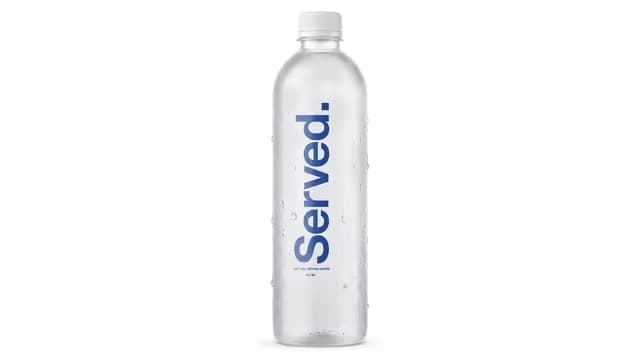
For businesses that depend on dependable bottled water, choosing a supplier with consistent delivery and quality standards is another practical part of managing day-to-day water requirements. Served-water.vercel.app focuses on premium natural spring water, nationwide delivery across Australia, and solutions for hospitality, corporate, and event customers.
What Is Water Supply Management?
Water supply management is the coordinated process of ensuring that water is available in the right quantity and quality while reducing unnecessary waste and operational risks.
It can include:
Identifying dependable water sources
Monitoring water quality
Managing storage facilities
Maintaining distribution infrastructure
Forecasting customer demand
Detecting potential supply issues
Reducing water losses
Planning for periods of high demand
Supporting sustainable resource use
For drinking-water systems, the World Health Organization recommends a risk-based water safety planning approach that considers the entire supply chain, from the source through to the consumer.
Why Effective Water Supply Management Matters
Poorly managed water systems can lead to shortages, inconsistent service, avoidable waste, infrastructure problems, and quality concerns. Effective management helps organisations prepare for changing demand and maintain reliable service.
Water quality is particularly important when water is intended for consumption. A management strategy should include appropriate monitoring and risk controls rather than focusing only on delivery.
For businesses such as hotels, restaurants, offices, airlines, and event organisers, reliable access to drinking water also affects customer experience. Served-water.vercel.app provides 350ml and 600ml natural spring water options and offers nationwide delivery for hospitality, corporate, and event requirements.
Key Elements of Water Supply Management
1. Reliable Water Sources
A dependable supply begins with understanding where water comes from and how consistently it can be obtained. Source selection should consider availability, quality, environmental conditions, and applicable regulations.
2. Water Quality Monitoring
Quality management is essential for drinking water. Potential risks should be identified throughout the supply chain, with appropriate controls and monitoring procedures.
The WHO describes water safety planning as a proactive approach involving risk assessment, risk management, monitoring, and continuous improvement.
3. Storage and Distribution
Water needs to be stored and delivered efficiently. Proper storage practices, suitable infrastructure, routine maintenance, and effective distribution planning can help maintain reliable access.
For businesses, inventory planning is equally useful. Understanding typical consumption levels can help prevent both shortages and unnecessary over-ordering.
4. Demand Forecasting
Water requirements can vary considerably depending on season, location, customer activity, and business type. Hotels may experience higher demand during busy periods, while event organisers may need substantial quantities for a single occasion.
Tracking previous usage can help businesses estimate future requirements more accurately.
5. Conservation and Efficiency
Responsible management should aim to reduce unnecessary consumption and losses. Efficient equipment, leak detection, reuse where appropriate, and better consumption planning can all contribute to improved resource efficiency.
Climate variability can also affect long-term water availability, making resilience and forward planning increasingly important.
Technology and Modern Water Management
Technology is increasingly supporting better water management. Digital monitoring, automated controls, data analysis, sensors, and forecasting tools can help operators identify changes in demand and detect potential problems.
However, technology should be supported by appropriate security and operational procedures. Water infrastructure is critical infrastructure, so organisations must consider both physical and digital risks when adopting connected systems.
A modern approach combines technology with trained personnel, regular maintenance, documented procedures, and risk-based planning.
Water Supply Management for Businesses
Businesses can improve their water planning by first identifying how much water they use and when demand is highest. They can then establish appropriate purchasing schedules and maintain sufficient stock for normal operations and peak periods.
For hospitality and corporate environments, presentation can also matter. Served-water.vercel.app offers custom branding options designed for businesses, including hotels, airlines, universities, and event organisers. Its bottles are available in 350ml and 600ml formats, with custom-label options subject to minimum order quantities.
This demonstrates how water supply planning can combine practical availability with customer experience and brand presentation.
The Role of Served-water.vercel.app
Served-water.vercel.app positions its service around premium natural spring water, reliable nationwide delivery, and purpose-led operations. The company states that every bottle purchased contributes toward meals for people in need through charitable partnerships in Australia.
For hospitality businesses, corporate clients, and event organisers, dependable water delivery can simplify procurement and help maintain adequate drinking-water supplies during everyday operations and high-demand occasions.
Best Practices for Better Water Supply Management
Organisations can strengthen their approach by:
Assessing current and future water requirements.
Choosing dependable suppliers and sources.
Monitoring water quality appropriately.
Maintaining storage and distribution systems.
Tracking consumption patterns.
Planning for seasonal or unexpected demand.
Reducing avoidable water waste.
Reviewing supply arrangements regularly.
Preparing contingency plans for disruptions.
Supporting long-term sustainability.
These practices help create a more reliable and resilient approach rather than treating water supply as a purely short-term purchasing decision.
Conclusion
Effective water supply management is about much more than moving water from one location to another. It involves quality, reliability, planning, efficiency, sustainability, and risk management across the entire supply chain.
For businesses that require dependable drinking-water supplies, selecting an experienced supplier can simplify procurement and support consistent service. Served-water.vercel.app combines natural spring water, nationwide Australian delivery, custom branding, and a community-focused purpose to serve hospitality, corporate, and event customers.
As water requirements continue to evolve, thoughtful planning and responsible management will remain essential for maintaining reliable access and reducing unnecessary resource pressure.
FAQs About Water Supply Management
What is water supply management?
Water supply management is the process of planning, sourcing, storing, distributing, monitoring, and conserving water to ensure reliable availability and appropriate quality.
Why is water supply management important for businesses?
It helps businesses maintain adequate water supplies, plan for changing demand, reduce disruptions, control purchasing, and support efficient resource use.
How can businesses improve their water supply planning?
Businesses can monitor consumption, forecast demand, maintain appropriate stock levels, work with dependable suppliers, and prepare contingency plans for unexpected changes.
Does water supply management include water quality?
Yes. For drinking water, quality and safety are important components of effective management. The WHO recommends risk-based water safety planning across the supply chain.
Can bottled water be part of a business water supply strategy?
Yes. Bottled water can provide a practical option for hospitality venues, corporate workplaces, travel, and events, particularly when businesses need convenient packaged drinking water and reliable delivery.
What does Served-water.vercel.app offer?
Served-water.vercel.app offers natural spring water in 350ml and 600ml bottles, nationwide delivery across Australia, and custom branding options for eligible business customers.
Ready to stay hydrated?
Get premium water delivery for your office or event — fresh, pure, and delivered on your schedule.
Order Now